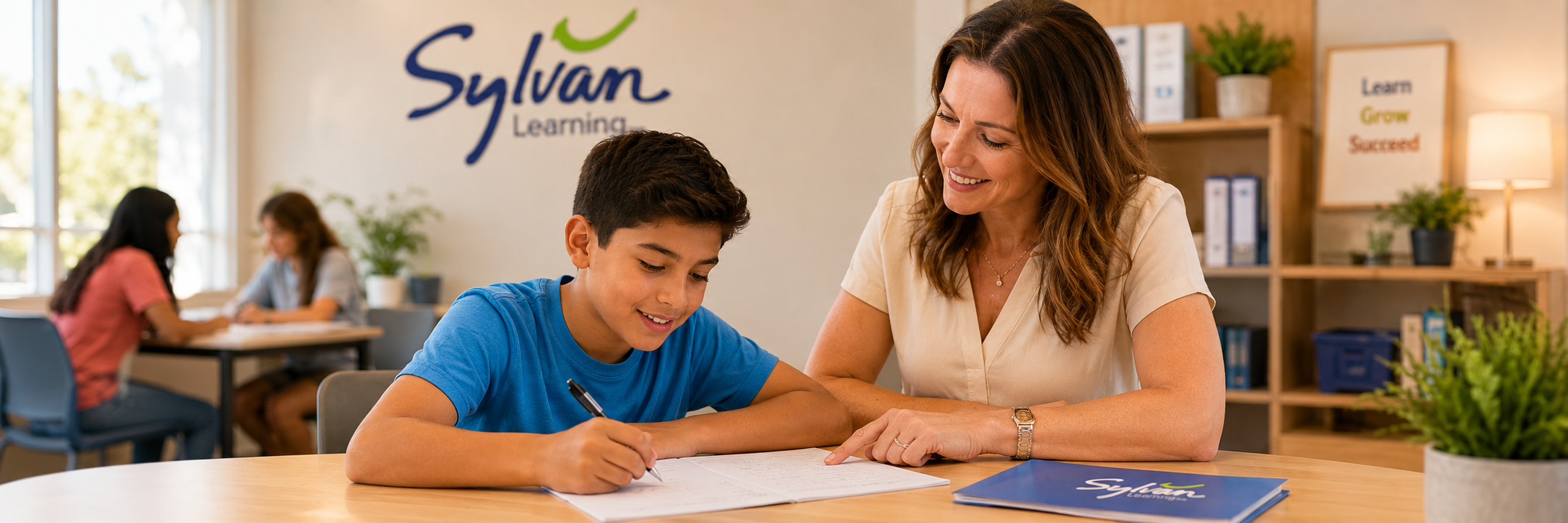
Sylvan Learning Camden offers flexible summer programs for K–12 students, whether your child needs to close a gap, rebuild confidence, or walk into fall feeling prepared and ready.
Summer is when the pressure is off, and the right time to address what the school year didn’t allow for.
Summer 2026 has wrapped. Don't wait until Summer 2027. Fall enrollment is open now, and it builds toward next summer's goals.
Explore Our Programs →
Each year’s math, reading, and writing builds on the last, so summer is often the only time to rebuild a foundation before the next year needs it. With the pressure of coursework and grades off, there’s room to genuinely close gaps:
Summer scheduling flexes around your family:
Summer tutoring at Sylvan Learning Camden is right for any student, at any level, and especially valuable for a few situations:
Come summer, many families in Cambrian Park, Willow Glen, Almaden, Los Gatos, and Blossom Valley enroll their kids in robotics, coding, and STEM or STEAM camps. Those programs move quickly and assume a math and reading foundation is already there. Sylvan builds that foundation: a summer assessment pinpoints exactly where your child stands, and a short, focused plan strengthens the skills their camp or activity will lean on, so they walk in ready and get the most out of it. Support the foundations with math, reading, and writing, over summer or year-round.
Learning doesn’t stop when summer ends. Sylvan Learning Camden is open year-round, including school breaks, so students keep momentum across the calendar. Continue with math, reading, writing, test prep and competition prep, or learning-differences support any time of year.
Sylvan Learning of San Jose – Camden works with students from all local schools, public and private, elementary through high school. See all the schools we serve →
As early as possible after school ends, ideally within the first week or two. Starting early maximizes the learning window and allows the assessment results to shape a full summer plan. If you’re considering summer tutoring, reach out before school ends so sessions can begin right away.
Two to three sessions per week is most common at Camden for summer programs. The center director will recommend a frequency based on the student’s goals and the summer timeline.
The instructional model is the same, assessment-based, personalized, with a credentialed teacher and a director managing the plan. What changes is the structure and pace. Summer programs are typically goal-specific, closing a particular gap or reaching a specific benchmark before fall, rather than keeping pace with ongoing school demands. Scheduling is more flexible, and the absence of school pressure often allows students to engage more fully with the material. For many students, the summer program is what gives them the reset they need going into a new school year.
Ask your center director about summer session formats, available program options may vary. The core of the summer program is personalized instruction sessions, structured around your family’s summer schedule.
Yes, and summer is a good time to start, especially for students who have been hesitant. There’s no school stress, no comparison to classmates, and the sessions can be paced to build confidence before fall. Many families who start with Sylvan over summer continue into the school year with a clearer picture of what their child needs and a foundation of trust with the instructor.
Yes. Transitions to new schools, middle school, high school, or any new campus, often come with a meaningful increase in expectations. A summer program can identify the foundational gaps that could make that transition harder and address them before school starts. For students who have had a difficult year, summer tutoring can also help them approach the new school with more confidence than they’d otherwise have. Ask the center director about building a plan specifically around your child’s fall transition.
Progress is tracked from the start. The initial assessment gives you a clear baseline, specific skill data, not a general impression. The center director reviews progress regularly throughout the summer and keeps parents informed. For students who have had difficult years, the progress markers that matter most are often not just academic, it’s the shift in confidence and willingness to engage with the material. Those changes typically appear within the first few weeks. The formal progress reviews provide the supporting data on the skill gains behind them.
Yes. Summer is one of the best windows for test prep, when there’s time to prepare without competing schoolwork. Sylvan Learning Camden offers summer prep for the SAT, ACT, PSAT, ISEE, HSPT, SSAT, and private-school entrance exams, built around a diagnostic that targets each student’s specific gaps.
Yes. Summer’s lighter schedule and one-on-one structure suit students who learn differently. Instruction is assessment-based and paced to the student, with experienced educators supporting focus, reading, and writing, building skills and confidence before the new school year.
Absolutely. Many families use summer to strengthen math and reading, since both build year over year. The assessment identifies the highest-impact skills to target, and the plan can focus on one subject or cover several.
Yes. Summer’s open schedule is ideal for building the problem-solving foundations behind competitions like AMC 8, AMC 10, AMC 12, and MATHCOUNTS, paced to the student’s level rather than a fixed class.
Start with a free consultation with the center director, no commitment, no pressure. If it’s a fit, a comprehensive academic assessment builds the personalized learning plan. Get in touch with Sylvan Learning Camden today.