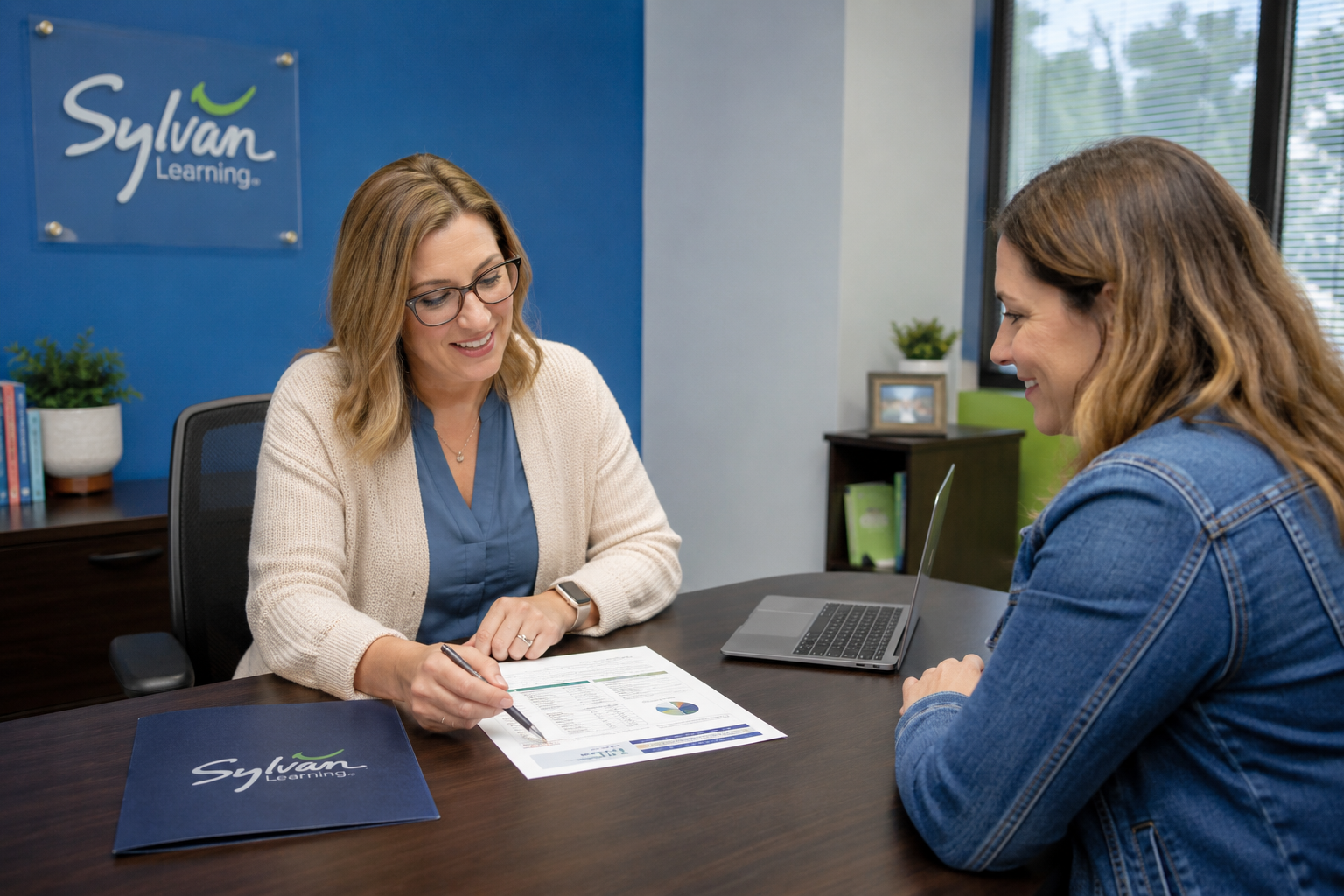
Students with ADHD, dyslexia, dysgraphia, and other learning differences are often exceptional students in every sense — they simply need instruction that works with how they actually learn.
The right approach doesn’t remediate. It reveals what your child is capable of when the instruction finally fits.
Start strong this fall with a personalized plan built around your child's actual level, needs, and pace.
Explore Our Programs →Sylvan Learning of San Jose – Westgate provides personalized, one-to-one tutoring for students with learning differences:
Related: reading tutoring (dyslexia), writing tutoring (dysgraphia), math tutoring (dyscalculia), and the schools we serve.
Start with a free consultation with the center director — no commitment, no pressure.
Book a Free Consultation
Sylvan is a full K–12 tutoring center, not a specialized clinic. The same thing that makes it work for every student makes it work for students with learning differences: the plan is built from a real assessment of where your child is.

The label “learning differences” describes how a student processes information. Sylvan’s assessment identifies strengths alongside gaps, and the plan builds on both.
This is the range of students the center has supported, and the approaches that have helped.
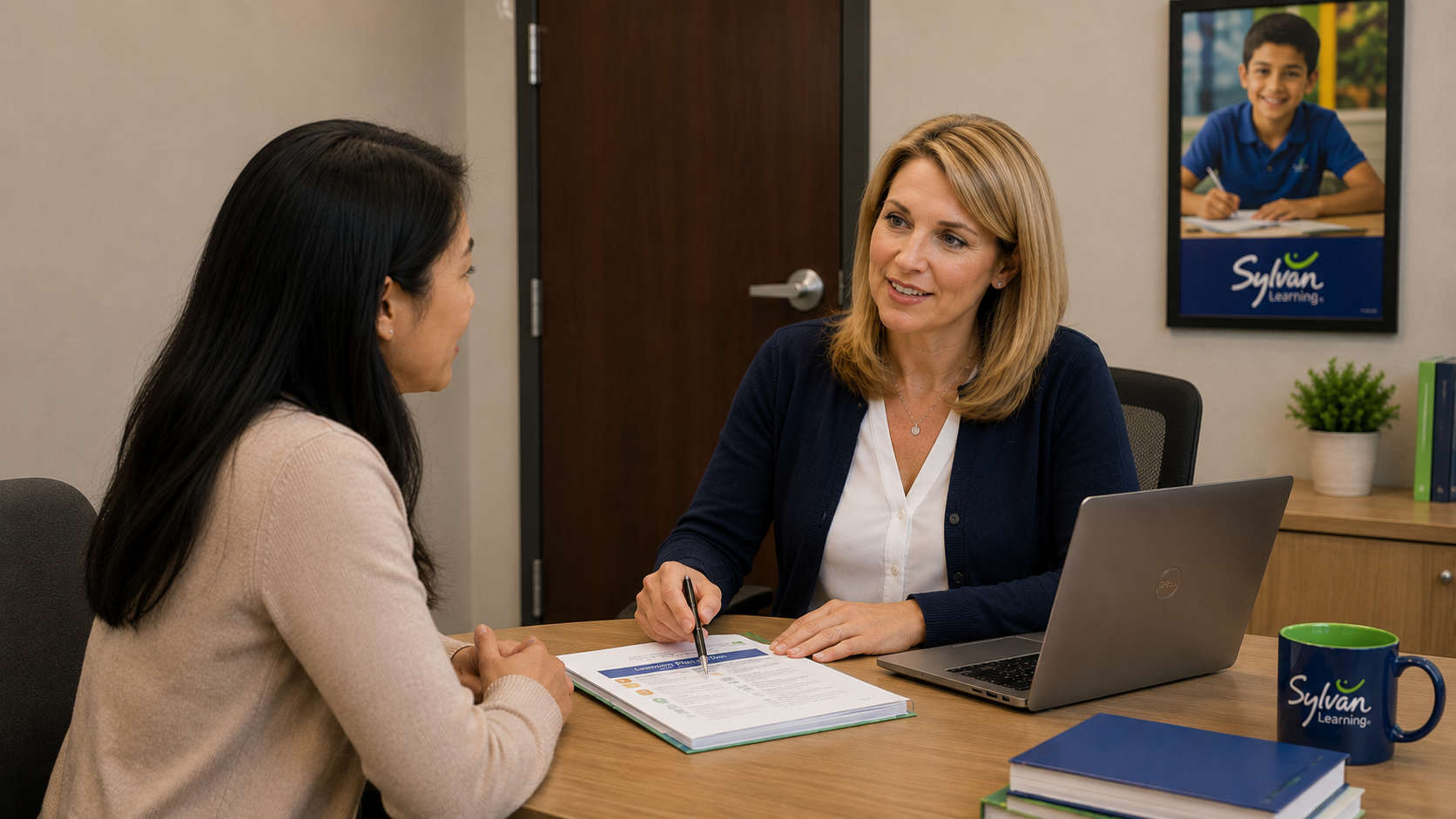
The first conversation with the center director is a listening session, built to understand your child before any plan is written:
The first consultation is free. No commitment, no pressure. Reach out to get started.
Sylvan Learning of San Jose – Westgate works with students from all local schools, public and private, elementary through high school. See all the schools we serve →
Sylvan Learning Westgate is a full K–12 tutoring center — not a specialized learning differences clinic. What makes Sylvan’s approach effective for students with learning differences is the same thing that makes it effective for every student: every plan is built from a real assessment, not from a fixed program. For students with ADHD, dyslexia, dysgraphia, or other learning differences, that individualization matters even more than it does for neurotypical learners.
Students with ADHD often have significant strengths alongside challenges with sustained attention, working memory, and task initiation. Sylvan’s one-on-one format — with one educator working directly with your child on a plan built for them — is a naturally better fit than group instruction or self-paced worksheet programs. Sessions are structured and directed by a credentialed educator, which provides the external scaffolding many students with ADHD benefit from. The center director will discuss your child’s specific profile during the initial consultation.
Yes. Dyslexia affects phonological processing and decoding — it is a specific learning difference, not a reflection of intelligence or potential. Sylvan’s reading instruction begins with a careful assessment of exactly where your child is: phonics and decoding, fluency, comprehension strategies, or some combination. Instruction targets the specific skills with the most impact, adapted to the student’s learning profile. Many of Sylvan’s most successful students have been students with dyslexia who, with the right instruction, made significant progress they hadn’t seen in classroom settings.
Yes. Instruction is one-on-one, predictable, and structured, and a credentialed teacher adapts pacing and communication to your child. It is academic instruction that works alongside any therapies or school services already in place. The center director discusses your child’s profile first, before any plan is built.
Yes. The assessment locates where the difficulty lives — number sense, math facts, math language, or problem-solving — and instruction rebuilds those foundations concretely before moving to abstract work.
Yes. For middle- and high-school students this is part of how Sylvan builds study skills: organization, planning, note-taking, time management, and accountability, built into your child’s own coursework — breaking tasks down, building routines, and making the steps visible.
Twice-exceptional students — those who are both highly capable and have a learning difference like ADHD, dyslexia, or dysgraphia — are among the most underserved students in traditional educational settings, because standard instruction tends to average out in both directions. Sylvan’s individualized model is well-suited to twice-exceptional students: instruction can simultaneously address the areas where a student needs support and accelerate in the areas where they excel. A student can receive phonics support and advanced math instruction through the same program, on the same schedule.
The center director can align Sylvan’s instruction with the goals and accommodations in your child’s IEP or 504 plan. Sylvan does not administer or replace the school’s plan — it supports the same objectives from a different direction. Bring the plan to the consultation.
No. A diagnosis is not required to begin. The initial assessment identifies where your child is academically and how they respond to instruction — whether the question is dyslexia, ADHD, autism, or an unlabeled pattern — and the center director builds a plan from there. If your child has a diagnosis, it helps the director and teacher understand the learning profile; if they don’t, the patterns you’ve noticed are just as useful. The conversation starts with listening.
Specialized learning differences centers typically focus on remediation within a specific framework — often working primarily on the deficit area. Sylvan is a full academic tutoring program: the center addresses the whole student, across all subjects, with a plan that accounts for the learning difference without being defined by it. A student with dyslexia who also needs math support, or a student with ADHD who is preparing for the HSPT, gets a plan that addresses all of it — not a program narrowed to one category.
Every child with a learning difference deserves instruction that works with how they actually learn. Reach out today to connect with the center director — no commitment, no pressure. We’ll start by listening.